
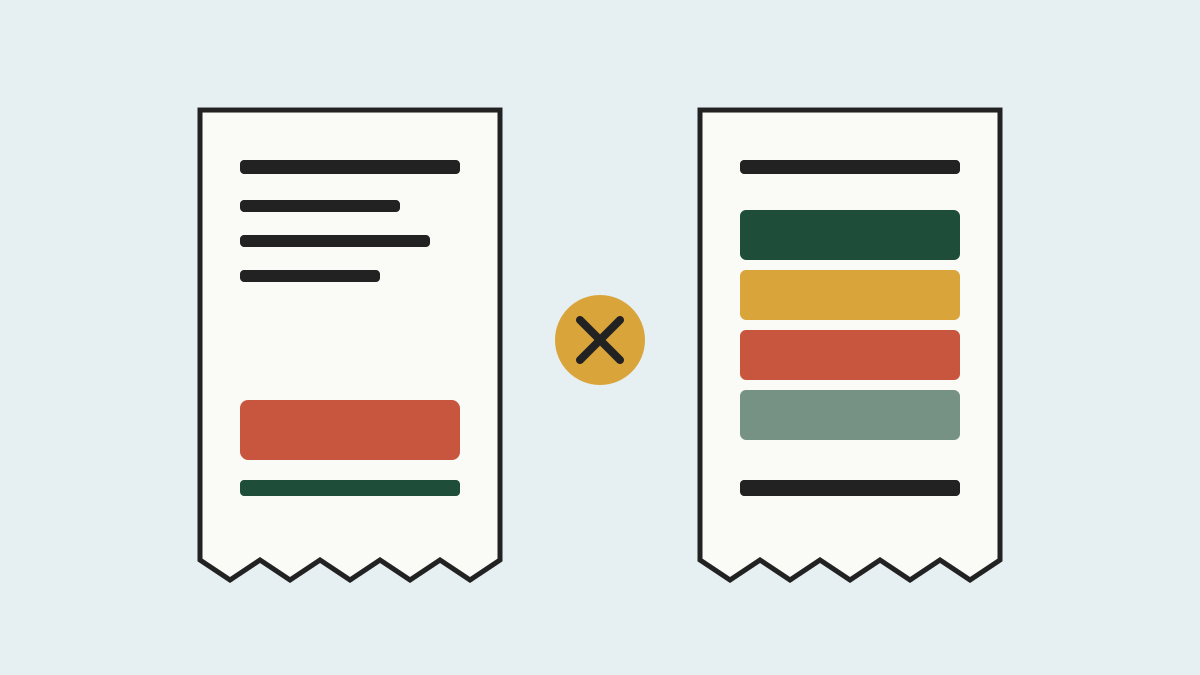
Both sales tax and value-added tax (VAT) are taxes on consumption, and in the end the shopper bears most of the cost. The main difference is timing: a sales tax is collected once, at the final retail sale, while a VAT is collected in small pieces at every stage where a business adds value. Knowing how each works makes receipts and price tags easier to read, especially when traveling.
How a Sales Tax Works
With a retail sales tax, businesses that sell to other businesses for resale generally do not charge tax on those transactions. The tax applies when the product reaches the final consumer. The store adds the tax at checkout and passes it to the tax authority.
Where sales taxes are used, rates and rules can differ widely between regions, and even between neighboring cities. Some places exempt certain categories, such as basic groceries, while others tax them. Because rates and exemptions vary by location and change over time, the shelf price often does not match the final total at the register.
How a VAT Works
A VAT is charged at each step of production and distribution. Every business in the chain charges VAT on its sales and can usually reclaim the VAT it paid on its own purchases. The amount each business sends to the government equals the tax on the value it added.
The final consumer cannot reclaim anything, so the full tax lands on the end buyer, just as with a sales tax. In many countries that use VAT, consumer prices are displayed with the tax already included, so the tag price is what you pay. Rates, reduced rates for certain goods, and registration rules differ from country to country.
A Worked Example
Illustration with round, hypothetical numbers and a hypothetical 10% rate: A table moves from a lumber supplier to a furniture maker to a retailer and finally to a shopper.
| Stage | Sale price before tax | VAT charged (10%) | VAT reclaimed | VAT sent to government |
|---|---|---|---|---|
| Lumber supplier | $100 | $10 | $0 | $10 |
| Furniture maker | $300 | $30 | $10 | $20 |
| Retailer | $500 | $50 | $30 | $20 |
| Total | $50 |
The government collects $10 + $20 + $20 = $50 in total. Under a hypothetical 10% sales tax, the retailer would simply charge the shopper $50 on the $500 sale, and the earlier stages would charge nothing. The shopper pays $550 either way. The difference is who collects the money and when. Spreading collection across many businesses is one reason some governments prefer VAT, since a missed payment at one stage does not erase the tax already collected earlier in the chain.
Practical Differences for Shoppers
Price display
In places with a sales tax, prices are often shown before tax, so the total grows at checkout. In many VAT countries, displayed prices already include tax. Neither approach changes the amount owed, but it does change how easy it is to budget at a glance.
Receipts and refunds
VAT receipts may show the tax portion separately. Some countries offer visitors a way to reclaim VAT on certain purchases taken abroad, subject to conditions that vary by country. Rules on this should be checked with official sources before a trip.
Key Takeaways
- Both taxes are mostly paid by the final consumer.
- Sales tax is collected once at the retail sale; VAT is collected at each stage.
- With the same rate and no exemptions, the shopper’s total can come out the same.
- Rates, exemptions, and price display rules vary by place and change over time.
Understanding the mechanics behind a tax line on a receipt takes the mystery out of it. Whether the tax appears at checkout or is built into the tag, the habit is the same: know the total you will actually pay before you decide to buy.