
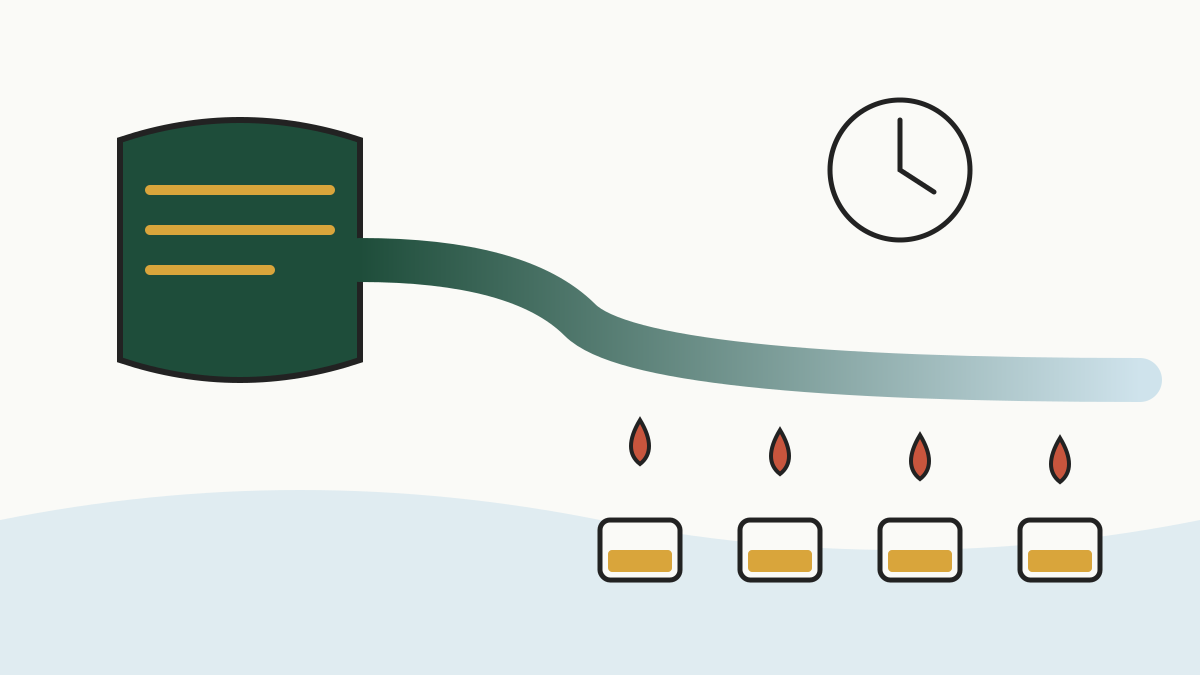
Picture a contract where you hand an insurance company a sum of money and, in return, it promises payments back to you, either starting now or at a later date. That is an annuity. People consider them mainly to create a steady stream of income in retirement, but the many types differ sharply in cost, flexibility, and risk.
How an annuity is structured
Most annuities have two possible phases. During the accumulation phase, your money sits in the contract and may earn interest or investment returns. During the payout phase, sometimes called annuitization, the insurer sends you regular payments. Some contracts skip accumulation and start paying almost immediately; these are often called immediate annuities. Others are deferred, meaning payments begin years later.
Payments may last for a fixed number of years or for the rest of your life. Lifetime options can include a spouse, and some guarantee a minimum number of payments even if you die early. Each added feature typically lowers the payment amount or raises the cost.
Common types
Fixed annuities
A fixed annuity credits a stated interest rate for a set period, and payouts are predictable. The trade-off is that the rate may not keep up with inflation over long stretches.
Variable annuities
A variable annuity lets you invest in subaccounts that hold stocks, bonds, or other assets. The value rises and falls with those investments, so payments and balances are not fixed. These contracts often carry several layers of fees, and optional riders add more.
Indexed annuities
An indexed annuity links returns to a market index, usually with a floor that limits losses and a cap or participation rate that limits gains. The crediting formulas can be complex, and returns are typically less than the full movement of the index.
Immediate versus deferred
This distinction cuts across the types above. An immediate annuity converts a lump sum into income right away, while a deferred annuity allows time for accumulation first.
A simple illustration
This example uses hypothetical, round numbers and does not reflect any real quote or product.
Suppose you place $100,000 into an immediate annuity that pays $500 per month for life. That is $6,000 per year. After 10 years, you would have received $60,000. After about 16 years and 8 months, or 200 months, you would have received $100,000, equal to your original amount. Payments beyond that point continue for as long as you live under a lifetime contract. If you die earlier, a plain life-only contract would stop paying, and the remaining value would stay with the insurer.
That is the central trade: you give up control of a lump sum in exchange for income that does not depend on how long you live.
Trade-offs to weigh
| Potential benefit | Potential drawback |
|---|---|
| Predictable income | Money may be locked up for years |
| Protection against outliving savings | Fees and rider costs can be significant |
| Tax-deferred growth in many contracts | Surrender charges for early withdrawals |
| Optional guarantees | Guarantees depend on the insurer’s ability to pay |
Tax treatment, penalties for early withdrawals, and consumer protections vary and change over time. Check official guidance and read the contract and prospectus carefully.
Key takeaways
- An annuity trades a lump sum for a promise of future payments.
- Fixed, variable, and indexed annuities carry very different levels of risk and complexity.
- Surrender periods, fees, and caps can reduce flexibility and returns.
- Any investment-linked contract involves risk, and guarantees are only as strong as the issuer.
Annuities can solve a specific problem, steady income for an unknown length of time, but they are rarely simple. Understanding which type you are looking at, what every fee pays for, and how long your money will be committed lets you compare a contract on its actual terms rather than on its sales description.